

 Melayu


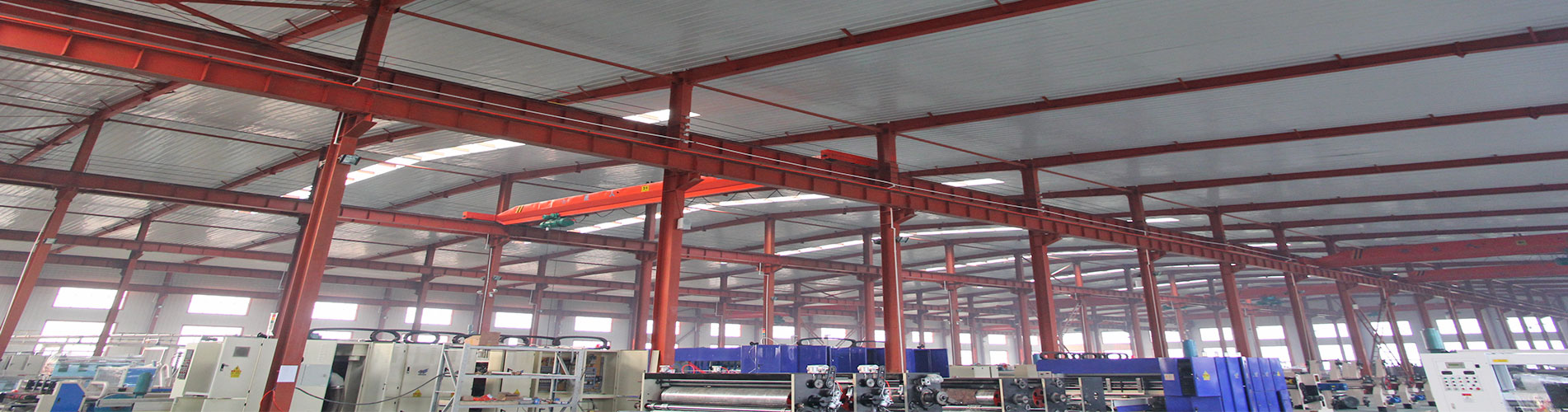

Why are steel structure buildings becoming increasingly popular in South America?
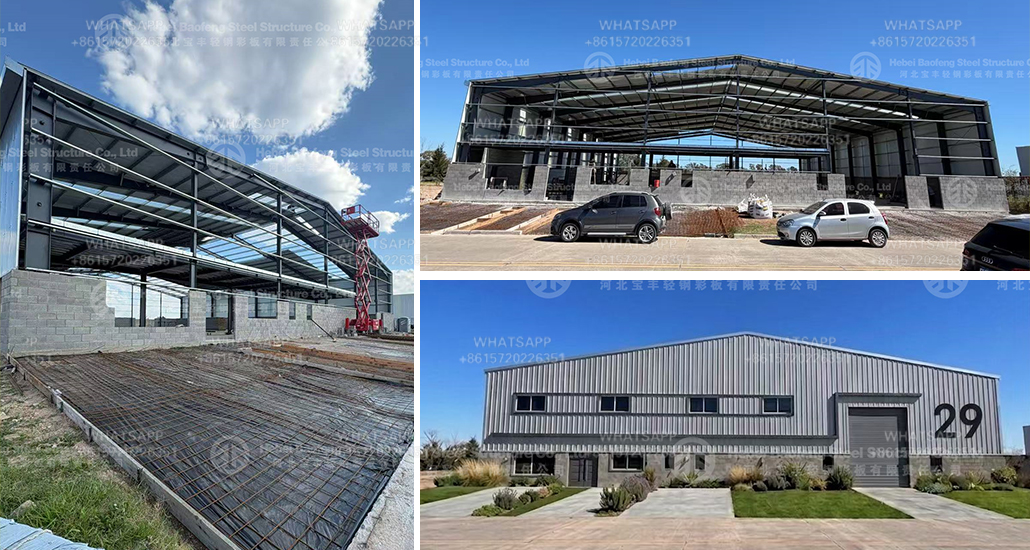
Steel structure (pre-engineered/prefabricated steel) buildings are gaining strong traction across South America—especially in Brazil, Chile, Colombia, Peru, and Argentina—due to a combination of economic, climatic, and industrial factors unique to the region. Here's a breakdown of the key drivers:
Faster Construction & Lower Labor Dependency
Prefabricated steel components are manufactured off-site and assembled quickly on location, cutting construction time by 30–50% compared to traditional reinforced concrete or masonry. This reduces reliance on scarce skilled labor—a persistent issue in many South American countries—and allows industrial or logistics facilities to start generating revenue sooner.
Cost-Effectiveness for Developing Markets
Steel structures offer better material utilization, less waste, and lower lifecycle maintenance costs. For budget-sensitive markets in South America, this makes them an attractive alternative to conventional building methods, especially given the region's periodic inflation in cement and brick prices.
Seismic & Weather Resilience
South America has diverse hazards that favor steel:
Seismic zones (Chile, Peru along the Pacific Ring of Fire): Steel's ductility and toughness provide superior earthquake resistance vs. brittle masonry.
Hurricane/cyclone & high-wind coastal areas: Properly engineered steel frames withstand extreme wind loads.
High-humidity / tropical regions (Amazon Basin): Hot-dip galvanized or anti-corrosion coated steel extends service life in humid, salty, or rainy environments.
Booming Industrial, Agribusiness & Logistics Demand
Rapid growth in agricultural exports (soy, coffee, grain storage), e-commerce logistics, and nearshoring manufacturing (especially in Brazil and Mexico) has driven demand for large-span, column-free warehouses and processing plants—applications where pre-engineered metal buildings (PEMBs) excel.
Flexibility & Future Expandability
The modular nature of steel buildings allows easy future expansion—lengthening bays, increasing spans, or adding floors—without demolishing existing structures. This suits fast-growing South American enterprises that plan phased facility growth.
Sustainability & Green Building Alignment
Steel is highly recyclable (often >90% recycled content) and generates far less construction waste. "Dry construction" (light steel frame / LSF) aligns with ESG goals and is increasingly endorsed in Brazilian low-income housing and institutional programs.
Evolving Codes & Local Steel Supply
Improved local building codes recognizing PEMBs, plus growing domestic steel production and galvanizing capacity in countries like Brazil, Chile, and Colombia, have reduced import dependency and made steel-framed solutions more accessible and affordable.
In short, steel structures match South America's needs for speed, cost control, seismic/harsh-climate resilience, and industrial-scale space, while also fitting evolving sustainability standards—making them the go-to choice for warehouses, factories, agribusiness facilities, and increasingly for residential and commercial buildings.
Kategori
blog terbaru


Untuk Pertanyaan mengenai produk atau pricelist kami, sila tinggalkan kepada kami dan kami akan berhubung dalam 24 jam.
© hak cipta: 2026 Hebei Baofeng Steel Structure CO.,LTD Hak cipta terpelihara.

IPv6 rangkaian disokong


 +8615720226351